
Rwanda, The land of a thousand hills
The Republic of Rwanda is a mountainous, landlocked country in the Great Rift Valley with Kigali its capital and largest city with a population of 1 million people. Located a few degrees south of the Equator, Rwanda forms part of the East African community where the African Great Lakes region and East Africa converge. It is bordered by Uganda, Tanzania, Burundi, and the Democratic Republic of the Congo. Rwanda is famously called “land of a thousand hills”, with its geography dominated by mountains in the west and savannah to the east, with numerous lakes throughout the country. The climate is temperate to subtropical, with two rainy seasons and two dry seasons each year. Rwanda has a population of over 12.6 million living on 26,338 km2 or 10,169 square miles of land, and is the most densely populated African country.
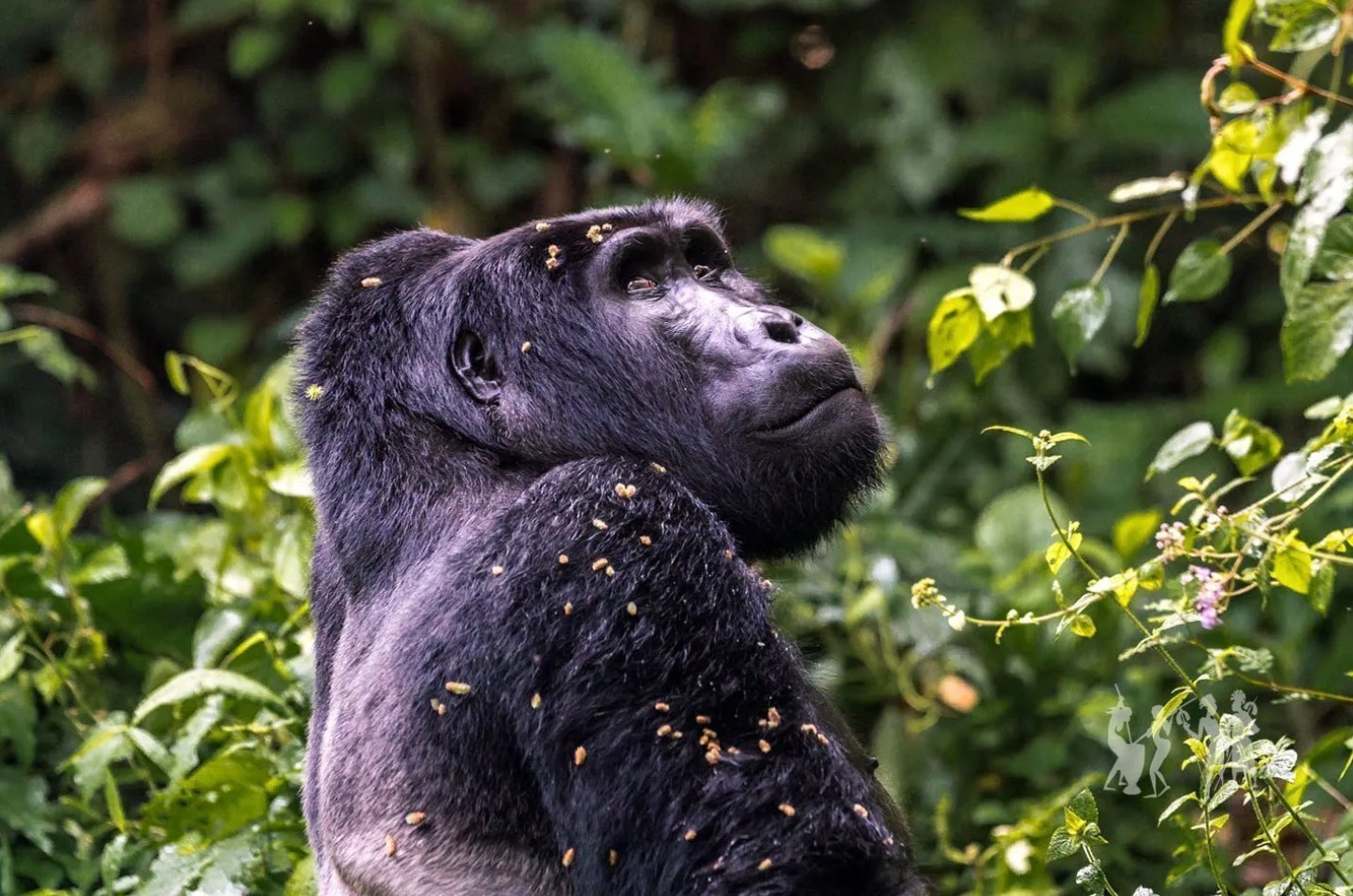
With a shrouded dark past behind it Rwanda in recent years has become an increasingly popular destination for tourists wishing to see the majestic mountain gorillas in the wild. This relatively recent development as a tourism destination means that the country is still very much unspoiled. Rwanda has everything from five star resorts to the big 5 national parks which majorly include Volcanes National Park, Nyungwe National Park, Akagera National Park, Virunga National Park etc all the way down to budget backpacker accommodation. Rwanda is not only home to the enigmatic mountain gorillas, but also another thirteen species of primate and a dazzling array of birds representing fully one third of Africa’s bird species.
Rwanda as a green and eco-friendly tourist destination, Rwanda is also a great place to hike, caving, and also go on safari with its famous national park being the Akagera National Park.
Rwanda’s territory in prehistoric times was occupied by one-third Montane forest. Naturally occurring vegetation is now mostly restricted to the three national parks, with terraced agriculture dominating the rest of the country. Nyungwe, the largest National Park has the remaining tract of forest which contains 200 species of tree as well as orchids and begonias, the Volcanoes National Parks vegetation is mostly bamboo and moorland with small areas of forestry. By contrast, Akagera has a savanna ecosystem in which acacia dominates the flora and fauna with several rare or endangered plant species.
The greatest diversity of large mammals is found in the three national parks, which are designated conservation areas. Akagera contains typical savanna animals such as giraffes and elephants, while Volcanoes is home to an estimated one-third of the worldwide mountain gorilla population. Nyungwe Forest boasts thirteen primate species including common chimpanzees and Ruwenzori colobus arboreal monkeys; the Ruwenzori colobus move in groups of up to 400 individuals.
Rwanda’s population of lions was destroyed in the aftermath of the genocide of 1994, as national parks were turned into camps for displaced people and the remaining animals were poisoned by cattle herders. In June 2015, two South African parks donated seven lions to Akagera National Park, re-establishing a lion population in Rwanda. The lions were held initially in a fenced off area of the park and then collared and released into the wild a month later.
There are about 670 bird species in Rwanda, with variation between the east and the west. Nyungwe Forest, in the west, has about 280 recorded species, of which 26 are endemic to the Albertine Rift; endemic species include the Rwenzori turaco and handsome spurfowl. Eastern Rwanda, by contrast, features savanna birds such as the black-headed gonolek and those associated with swamps and lakes, including storks and cranes.
Recent entomological work in the country has revealed a rich diversity of praying mantises, including a new species Dystacta tigrifrutex, dubbed the “bush tiger mantis”.
Rwanda contains three terrestrial ecoregions: Albertine Rift montane forests, Victoria Basin forest-savanna mosaic, and Ruwenzori-Virunga montane moorlands.
Rwanda Tours, Travellers’ Top Picks
From some of the world’s most wonderful wildlife to a particularly progressive capital, Rwanda is a diverse and different destination that ought to be on your bucket list. Here are some Rwanda Tours choices for your Rwanda Safari Planning.

3 Days Rwanda Gorilla Trekking Safari
You Visit: Volcanoes National Park
Activities: Gorilla Trekking

3 Days Golden Monkeys & Gorillas Tour
You Visit: Volcanoes National Park
Activities: Gorilla Trekking, Monkey Tracking

3 Days Akagera Wildlife Safari Tour
You Visit: Akagera National Park
Activities: Game Drive

4 Days Rwanda Double Gorilla Tracking Safari
You Visit: Kigali City, Volcanoes National Park
Activities: Gorilla Trekking, Nature Treks, City Tour

5 Days Rwanda Gorilla Trek
You Visit: Volcanoes National Park
Activities: Gorilla Trek

6 Days Gorillas, Monkeys & Bishoke Climb
You Visit: 6 Days Gorillas, Monkeys & Bishoke Climb
Activities: Gorilla Trekking, Nature Treks, City Tour

7 Days Discover Rwanda Gorillas Safari
You Visit: Kigali City, Volcanoes National Park, Nyungwe Forest National Park
Activities: Gorilla Trekking, Chimps Tracking, Nature Treks, City Tour

7 Days Rwanda Gorillas & Primates Safari
You Visit: Volcanoes National Park, Nyungwe Forest, Lake Kivu, Kigali
Activities: Gorilla Trekking, Chimpanzee & Golden Monkey Tracking, Nature Treks

9 Days Uganda Wildlife & Gorillas of the Virungas
You Visit: Mount Nyiragongo, Volcanoes National Park, Virunga National Park, Bwindi Impenetrable Forest, Queen Elizabeth NP and Kigali City
Why you should visit Rwanda
Kigali, top African Capital
Kigali is considered one of the friendliest capital cities in Africa, and its metropolitan ambience is a great complement to your time in the Rwandan bush country. The population of the city is young, so you will find a diverse range of engaging activities blended with a bit of history and culture. As Rwanda continues to emerge from a tragic past, Kigali represents the future; it has become a thriving center for business and economic development, while maintaining its charming character.
Development has been well planned to preserve the natural contours of the surrounding hillsides. The city is divided into distinct districts, with one reserved for government and administrative buildings. In another district, the city center is surrounded by shops and markets.
In Kigali, a new treasure awaits around each corner as you travel the roads that wind through the city. You can learn about the country’s flora and fauna at the Kandt House (Natural History Museum), which features three sections, each highlighting an aspect of Rwanda’s ecological resources. Geology lovers immensely enjoy the displays in the back section of the museum, dedicated entirely to the country’s volcanism and the astonishing volcanoes in northwest Rwanda.
Discover the country’s evolving artists at Inema Art Center. Stop by Ivuka Arts Center to watch artists make their creations before enjoying a nice lunch at Heaven Restaurant, which is decorated with the artists’ work. Next, head over to Niyo Art Gallery to learn about how art is helping street children in Rwanda, and perhaps make a donation to support the education, medical care, and daily basic needs of less-fortunate Rwandans.
Support sustainable fair-trade tourism by purchasing traditional crafts such as drums, baskets, wood carvings, and ceramics at Capalaki Handicrafts Cooperative, and see local Twa people perform traditional dances at The Dancing Pots. Be sure to take a look at the Parliament Building and Presidential Palace, which contain so much of the country’s history, including debris from the presidential plane that was shot down on April 6, 1994, the catalyst for Rwanda’s darkest chapter.